In today’s eco-conscious world, reducing utility bills while maintaining comfort at home is a growing concern. This article explores how energy-efficient upgrades can help homeowners achieve this balance. By implementing strategic changes, individuals can significantly cut down costs associated with energy consumption.
One of the most effective ways to improve energy efficiency is by upgrading insulation throughout the home. Proper insulation helps regulate indoor temperatures by reducing heat loss during colder months and preventing excessive heat gain during warmer seasons. This improvement allows heating and cooling systems to operate more efficiently, which can contribute to lower monthly energy costs.
Modern heating and cooling systems also play a significant role in improving home efficiency. Older HVAC systems often consume more energy to maintain comfortable temperatures. Replacing outdated equipment with newer, energy-efficient models can help homeowners achieve better climate control while reducing energy consumption over time.
Another area where homeowners can make noticeable improvements is through energy-efficient windows and doors. These upgrades help prevent drafts and minimize the transfer of heat between the interior and exterior of the home. As a result, indoor temperatures remain more stable, allowing HVAC systems to work less frequently.
Lighting upgrades can also contribute to energy savings. Replacing traditional incandescent bulbs with LED lighting reduces electricity usage and provides longer-lasting illumination. This simple change can lower energy bills while improving lighting quality throughout the home.
By combining several of these energy-efficient upgrades, homeowners can create a more sustainable and cost-effective living environment. Over time, these improvements not only help reduce utility expenses but also contribute to a more comfortable and environmentally responsible home.
1. How Can Air Conditioning Repair Save on Utility Bills?
Regular air conditioning repair is crucial in maintaining energy efficiency in homes. By hiring local HVAC services, homeowners can ensure that their systems operate at peak performance all year round, reducing unnecessary energy use. Replacing older units with Energy-Star certified air conditioning units further enhances this effort, leading to substantial savings.
The importance of routine maintenance when it comes to your home cannot be overstated, as it prevents minor issues from escalating into costly repairs. When choosing air conditioning services, it is critical to opt for technicians with a proven track record of efficiency improvements. This not only extends the lifespan of the system but also ensures optimal energy savings.
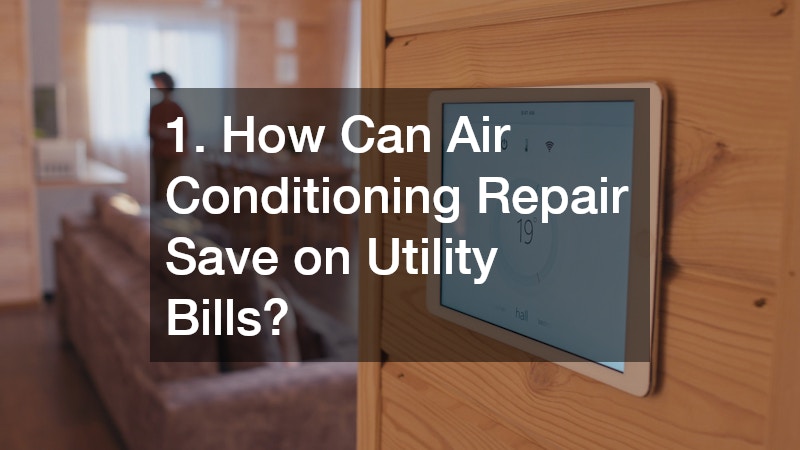
Upgrading to high-efficiency models captures a significant portion of energy savings. Energy-Star units are designed to use less power while delivering superior cooling, making them a wise investment. Furthermore, advanced features in newer models often include smart thermostats and moisture controls, which contribute to overall energy conservation.
2. What Role Do Local HVAC Services Play in Energy Efficiency?
Local HVAC services are pivotal in ensuring homes maintain energy efficiency through expert installation and regular maintenance. These providers help homeowners evaluate their current systems and make informed decisions about upgrades and repairs. Through routine inspections, they identify areas where energy might be wasted and suggest solutions for improvement.
The timely intervention of HVAC services minimizes downtime and ensures equipment operates efficiently. Cost evaluations offered by these services allow homeowners to understand the long-term benefits of efficient units versus immediate costs. Innovations in HVAC technology, such as zoned cooling and smart controls, enhance energy conservation and overall home comfort.
These technological advancements reduce energy usage and support eco-friendly initiatives. By keeping abreast of the latest HVAC innovations, homeowners can take advantage of features that save energy by adapting the system’s operation to the occupants’ needs. Local HVAC providers offer a valuable resource for anyone looking to improve their home’s energy profile.
3. How Do Local Insulation Companies Improve Home Efficiency?
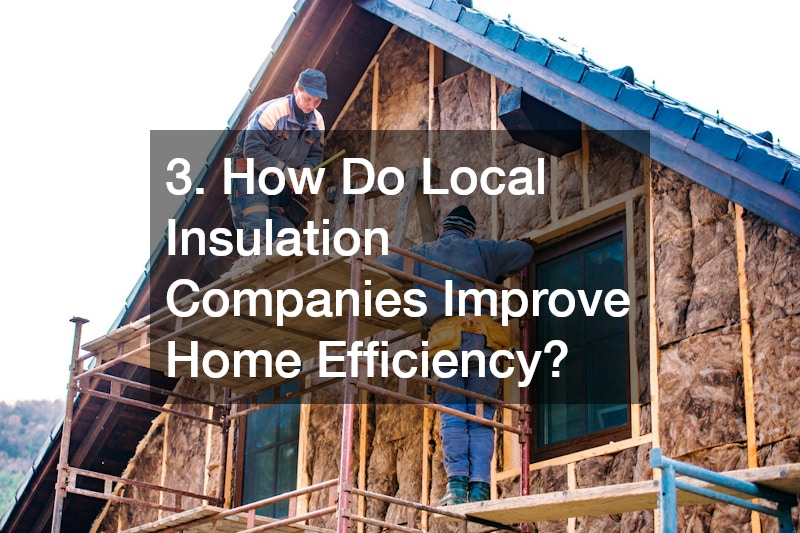
Local insulation companies play an essential role in maximizing home energy efficiency. Proper insulation minimizes the loss of heat in winter and maintains cooler indoor temperatures during summer, significantly reducing the reliance on HVAC systems. The choice of insulation material greatly affects the efficiency gains homeowners can expect.
With various types of insulation available, including spray foam, fiberglass, and cellulose, consulting with experts can aid in selecting the best option for specific needs. Upgraded home insulation not only aims for energy savings but also enhances indoor comfort and noise reduction. Selecting the right local insulation contractor ensures professional installation tailored to individual homes.
Professionals assess the home’s current insulation, propose effective solutions, and handle installation, ensuring quality and longevity. The energy savings from improved insulation can offset the installation costs over time, making it a financially sound decision. Additionally, proper insulation contributes to a lower carbon footprint, aligning with sustainable living standards.
4. Are Storm Windows Worth the Investment?
Storm windows are an effective measure for enhancing a home’s energy efficiency and protecting it against weather extremes. They provide an additional layer of insulation, reducing heat transfer and improving overall thermal performance. Homeowners notice marked reductions in heating and cooling costs after installing storm windows.
Their ability to enhance energy savings also doubles as a safeguard against harsh weather, adding to the home’s resilience. Proper installation is crucial, and maintaining them regularly ensures their longevity and continuous energy-saving benefits. Cost-benefit analysis often justifies the investments as the savings accrued over time can be substantial.
Local experts are essential during installation to ensure a perfect fit and function. Effective installation helps maximize the benefits, while regular maintenance preserves the windows’ effectiveness. Additionally, the added curb appeal of storm windows can increase property value, providing another angle of return on the investment.
5. How Can Upgrading Exterior Doors Improve Efficiency?
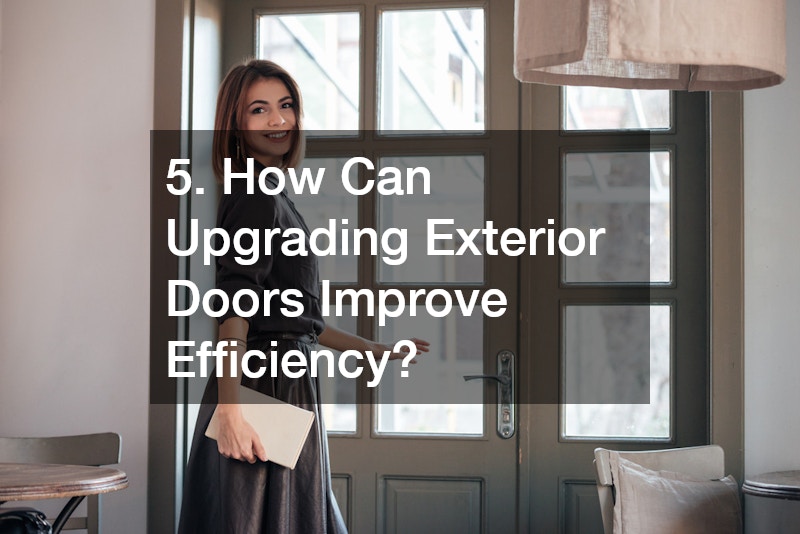
Energy-efficient exterior doors play a critical role in minimizing energy loss in homes. They are designed to offer better insulation than standard doors, thereby reducing the burden on heating and cooling systems. Homeowners often find that upgrading doors provides immediate efficiency improvements and comfort enhancements.
When choosing between a DIY approach and professional installation, consider that professionals offer precision and guarantees on work quality. The materials used in door construction significantly impact energy loss; for instance, fiberglass and steel options are typically more insulating than wood. By investing in energy-efficient doors, homeowners enjoy reduced energy bills and increased comfort.
Professional installation ensures doors fit perfectly within their frames, preventing drafts. Moreover, the long-term energy savings and enhanced security add value to this upgrade. With modern technological advancements, many doors come with additional features like impact resistance and advanced locking systems.
6. What Impact Do Plumbing Contractors Have on Water Efficiency?
Plumbing contractors are invaluable when improving a home’s water efficiency. Modern plumbing systems, equipped with the latest water-saving technologies, significantly cut down on water usage and utility costs. These contractors assess existing systems, identifying leaks and optimizing water flow to conserve resources.
The inclusion of water-saving fixtures, such as low-flow toilets and showerheads, further enhances water efficiency. By working with reputable plumbing contractors, homeowners ensure that all installations are up to standard and effective in reducing water waste. This not only results in lower water bills but also supports environmental conservation efforts.
Regular maintenance and timely upgrades keep plumbing systems efficient. Investing in modern plumbing solutions offers a dual benefit of financial savings and resource preservation. Trusting professionals to handle all complexities involved ensures that improvements are both practical and sustainable.
7. How Do Plumbing Services Contribute to Utility Savings?

Plumbing services are pivotal in identifying efficiency issues within a home’s water system. They facilitate troubleshooting and complete necessary repairs to maintain optimal performance. Efficient plumbing reduces utility costs and water waste, benefiting both the homeowner and the environment.
Upgrading fixtures plays a crucial role in water conservation initiatives. These enhancements involve replacing outdated fixtures with modern, efficient alternatives that use less water without sacrificing performance. Regular inspections by proficient plumbing services ensure systems remain efficient over the long term.
Frequent checks prevent small leaks from becoming significant water wasters. The impact of these ongoing maintenance efforts is reflected in measurable utility savings. Homeowners who engage professional plumbing services leverage expertise to ensure their systems contribute positively to water and energy conservation.
8. Why Should Homeowners Consider Siding Contractors?
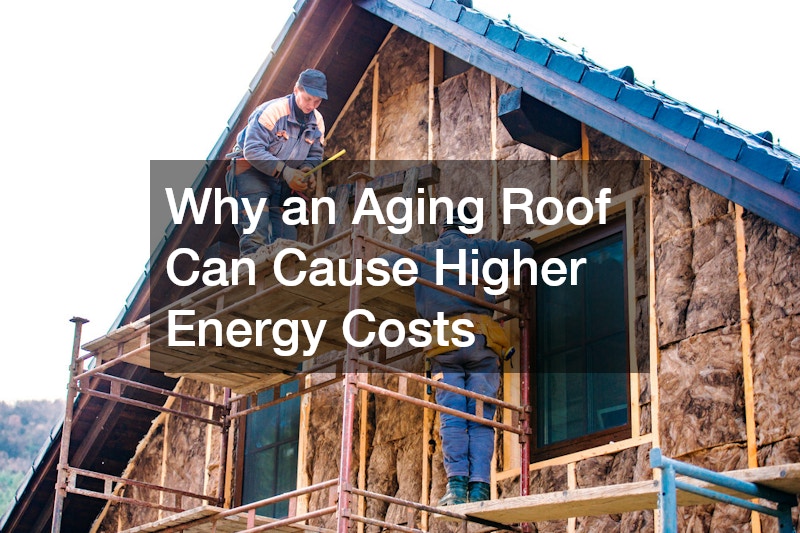
Siding contractors significantly boost a home’s energy efficiency through quality siding installations. Well-installed siding offers better insulation, helping to keep homes warm in the winter and cool in the summer. This reduces the need for heating and cooling, translating to lower energy bills.
Choosing the right siding material is essential for maximizing energy savings. Materials like vinyl and fiber-cement not only improve aesthetic appeal but also offer superior thermal performance. Professional siding contractors guide homeowners through material selection and ensure high-quality installations.
The functional and visual benefits of upgraded siding can increase property value. By investing in high-performance siding, homeowners enjoy enhanced weather resistance, reduced maintenance needs, and improved energy efficiency. As a result, siding contractors play a critical role in optimizing overall home performance.
9. How Do Roofing Contractors Enhance Energy Efficiency?
Roofing contractors are instrumental in improving a home’s energy efficiency through the use of energy-efficient materials. Options such as reflective shingles and metal roofing reduce heat absorption, thus lowering cooling costs. These savings make roofing upgrades a worthwhile investment for long-term efficiency.
When evaluating cost implications, homeowners often find that energy savings offset initial expenses over time. Professional roofing contractors provide expertise on material selection, installation techniques, and connection to complementary systems like solar panels. Advanced roofing materials offer durability and energy conservation, enhancing the sustainability of the property.
Quality installation by experienced roofing contractors ensures that energy improvements are maximized. The lifespan and performance of the roof are also extended, reducing the need for frequent replacements. With energy-efficient roofing, homes remain more comfortable throughout the seasons.
10. What Are the Benefits of Residential Roofing Upgrades?
Residential roofing upgrades offer numerous benefits, especially when incorporating features like solar panels. Such integrations not only cut down on energy consumption but also lessen dependency on traditional power sources. Innovations in roofing materials improve water shedding and reduce heat gain, further increasing efficiency.
Understanding the roles of insulation and ventilation in roofing significantly impacts energy conservation. Proper installation ensures that roofs remain effective insulators, retaining or reflecting heat based on seasonal needs. As a result, homeowners experience lower utility bills and enhanced indoor comfort year-round.
Investing in professional roofing upgrades paves the way for sustainable living. Expert contractors ensure installations are long-lasting and perform optimally in energy savings. With the right residential roofing solutions, homes are well-prepared for future energy challenges.
Implementing energy-efficient upgrades not only lowers utility bills but also enhances the comfort and value of your home. By considering these improvements, homeowners can make informed decisions that benefit both the environment and their wallets. In an ever-evolving world of energy efficiency, the integration of advanced technologies and professional services makes a significant difference.
Many homeowners begin their efficiency improvements with upgrades that reduce energy loss. Improvements such as better insulation, properly sealed windows and doors, and weatherproofing can significantly reduce the amount of energy needed to heat and cool a home. These upgrades often provide noticeable improvements in comfort while helping maintain consistent indoor temperatures.
Heating and cooling systems also play a major role in a home’s overall energy performance. Upgrading to a modern HVAC system or maintaining existing equipment through regular servicing can improve efficiency and reduce energy consumption. Smart thermostats and zoning systems can further optimize heating and cooling by adjusting temperatures based on occupancy and daily schedules.
Lighting and appliance upgrades can also contribute to improved energy efficiency. Replacing traditional lighting with LED bulbs and choosing energy-efficient appliances can reduce electricity usage without sacrificing performance. These changes are relatively simple to implement and can provide long-term savings over time.
Another important factor is monitoring energy use and identifying areas for improvement. Energy assessments or home energy audits can help homeowners better understand how energy flows through their homes. With this information, homeowners can prioritize upgrades that provide the greatest impact.
By combining thoughtful planning with energy-efficient technologies, homeowners can create living spaces that are both comfortable and sustainable. Over time, these improvements not only reduce environmental impact but also contribute to long-term financial savings and improved home performance.