Understanding how the condition of your roof affects your energy bills is crucial for homeowners. As roofs age, they can cause a significant increase in energy costs due to various reasons. This article explores why maintaining your roof or even considering roof replacement is essential for managing energy expenses and offers insights into the often-asked questions about this topic.
How does an aging roof impact home insulation?
Loss of Efficiency in Insulation
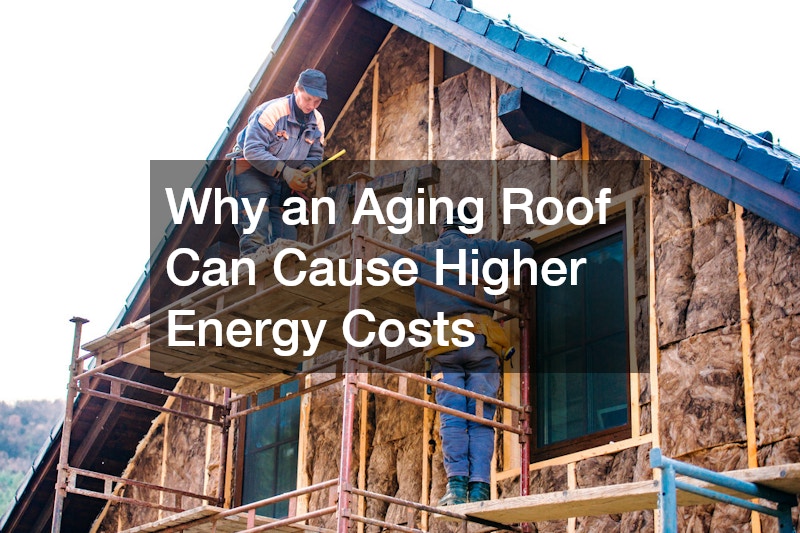
As roofs deteriorate, their insulation properties can decline, causing your home to lose more heat during winter and retain more heat during summer. Roofs function as the primary barrier against weather elements, and over time this barrier becomes less effective.
This inefficiency demands more energy to maintain comfortable indoor temperatures, thereby raising energy costs. Furthermore, aged roofing materials may degrade, forming gaps or cracks that compromise insulation. Homeowners often overlook the energy implications of a weakened roof, focusing only on visible damage like leaks.
The impact of an aging roof on insulation is most pronounced in extreme weather conditions. For instance, during a harsh winter, a roof with compromised insulation allows heat to escape more rapidly. Consequently, this heat loss results in increased usage of heating systems, thus escalating utility bills. In summer, the scenario reverses, with more heat entering the home, requiring air conditioners to work overtime. Understanding these dynamics can prompt timely roof maintenance decisions.
An aged roof with diminished insulation efficiency fails to serve its dual function of protection and energy cost reduction. Investing in the necessary repairs or replacements can eventually lower the financial burden associated with high energy consumption. Proactive measures, such as regular inspections, help identify insulation issues before they exacerbate energy inefficiency. A well-maintained roof conserves energy, ultimately reducing the environmental footprint of a home. Through regular maintenance or upgrade to energy-efficient roofing materials, homeowners can achieve substantial energy savings.
What are the common signs that a roof replacement is necessary?
Visible Wear and Tear
Cracked shingles, leaks, and noticeable sagging are indicators that your roof is no longer providing optimal energy efficiency. These visible signs of wear and tear should prompt immediate actions to prevent further deterioration. Over time, exposure to the elements can lead shingles to crack and break, compromising the roof’s ability to shield the home from weather extremes. Water damage and leaks not only lead to higher repair costs but also contribute to rising energy bills by affecting insulation. Early identification of these symptoms can help manage costs linked to both repairs and increased energy usage.
Homeowners should not underestimate the impact of visible damage signs on both energy consumption and the longevity of their roofing systems. Comprehensive inspections by roofing professionals can provide insights into the severity of damage and guide whether a repair or replacement is the better option. Resource allocation for roofing maintenance often pays off through longer roof life spans and lower energy costs. Furthermore, timely interventions help preserve home value, making it a worthy investment. By addressing visible issues promptly, homeowners can ensure that their roofs continue to protect the home and maintain energy efficiency.
How does roofing material affect energy costs?
Reflective vs Absorptive Materials
The type of material used in roofing can significantly influence your home’s energy efficiency by either reflecting or absorbing sunlight. In particular, reflective roofing materials are designed to reflect more sunlight and absorb less heat, which can keep indoor temperatures cooler. This reflection significantly reduces the reliance on air conditioning systems, leading to lower energy consumption. Conversely, absorptive materials, while durable, tend to retain heat, which may lead to increased air conditioning use. Understanding the nuances of these materials can inform choices that enhance energy efficiency.
Maintaining your roof is not only crucial for the structural integrity of your home but also plays a vital role in controlling energy costs. Noticing the signs of an aging roof and understanding the impact of different roofing materials can aid in making informed decisions to optimize your energy expenses. As energy costs continue to rise, investing in your roofing system proves to be a wise decision financially and environmentally. Regular roof maintenance can prevent costly repairs and contribute to a sustainable, energy-efficient living environment. Proactively addressing roofing issues protects both your home and your energy budget.